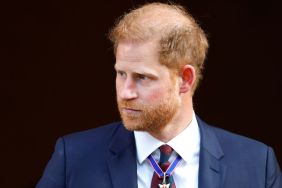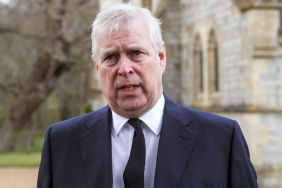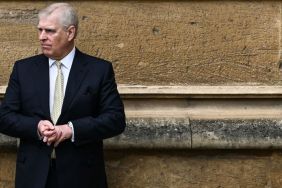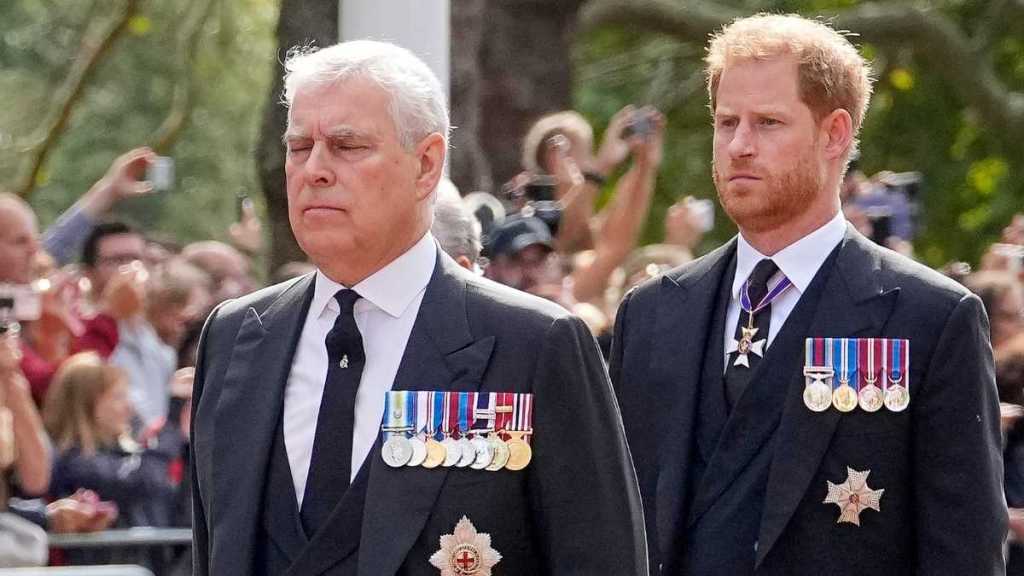
Prince Harry has allegedly felt deeply “frustrated” about being compared to his uncle, Andrew Mountbatten-Windsor. Sources say the Duke of Sussex viewed the comparison as deeply unfair. Harry and his wife, Meghan Markle, stepped down as senior working royals in 2020. They chose a life away from the monarchy. Sources allege that Harry served in the military and steered clear of any controversy. However, he still lost his official security. Whereas, the ex-Prince Andrew was “protected for years.” This allegedly made Harry feel that the comparisons are not fair at all.
Prince Harry didn’t agree with comparisons to ex-Prince Andrew for years, per source
Prince Harry and Meghan Markle were reportedly not happy with the constant media intrusion and a lack of support from the palace. Moreover, these are cited as reasons why they decided to build a life away from the royal world. The Duke and Duchess of Sussex moved to Montecito to rebuild their lives.
While Harry served his country well, sources told PEOPLE magazine that he has long been “frustrated” by comparisons to his uncle, former Prince Andrew. A source said, “He was frustrated by the comparisons. It was never fair to lump them together.” The source continued, “Harry served his country, did the job well and never engaged in misconduct — yet lost security and housing, while Andrew was protected for years.”
Andrew’s arrest on his birthday has renewed attention on those disparities within the royal family. The insiders described the situation as “embarrassing” for the family. The insider shared, “In this moment, it’s sad and embarrassing for the entire family. It leaves a stain on everybody.”
In fact, the former Prince Andrew was reportedly arrested at Wood Farm on his 66th birthday on suspicion of misconduct in public office. Insiders believe that Harry’s reaction to the entire episode would reflect his beliefs. The source said, “Harry believes strongly in justice and accountability — that’s consistent with who he is.”
As for Andrew, attorney George Kampanella shared that arresting someone “on suspicion of misconduct in public office is not a one-way ticket to prison.” Instead, it is just the beginning of the process.