Hungarian Prime Minister Viktor Orbán has conceded defeat in the country’s elections on April 12 after 16 years in power. It is a big political shift that removes one of Donald Trump‘s closest European allies from office.
Donald Trump’s ally Viktor Orbán loses Hungary election
The center-right opposition party Tisza is projected to win 135 seats in Hungary’s 199-seat parliament, securing a two-thirds supermajority based on partial results announced by the national election office. Party leader Péter Magyar, who is now to become the country’s next prime minister, shared on Facebook that Orban “congratulated us on our victory over the phone.”
Donald Trump’s ally Viktor Orban addressed supporters at the Fidesz campaign offices with a brief concession. “The election results are not final yet, but the situation is understandable and clear,” he said. “The election result is painful for us, but clear (via USA Today).”
Magyar now stands on the cusp of the premiership. His campaign centered on rooting out graft and addressing the squeeze on household budgets that has defined recent years for many Hungarians. Soaring prices and a sense of economic drift undercut Orban’s long-standing appeal, while public fatigue with a circle of well-connected business figures reportedly further eroded support.
The reverberations of this vote will travel well beyond Budapest. In Brussels, European Union officials reacted with palpable relief. The relationship between Hungary and the bloc’s institutions had grown increasingly strained, characterized by funding freezes and veto threats. The change in leadership is also expected to clear a logjam regarding a substantial financial lifeline for Ukraine. Orban had long resisted it.
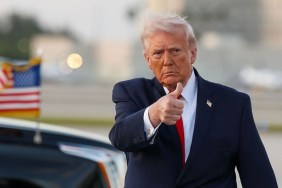
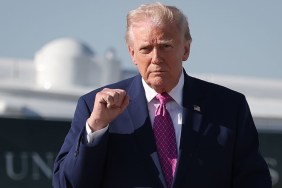
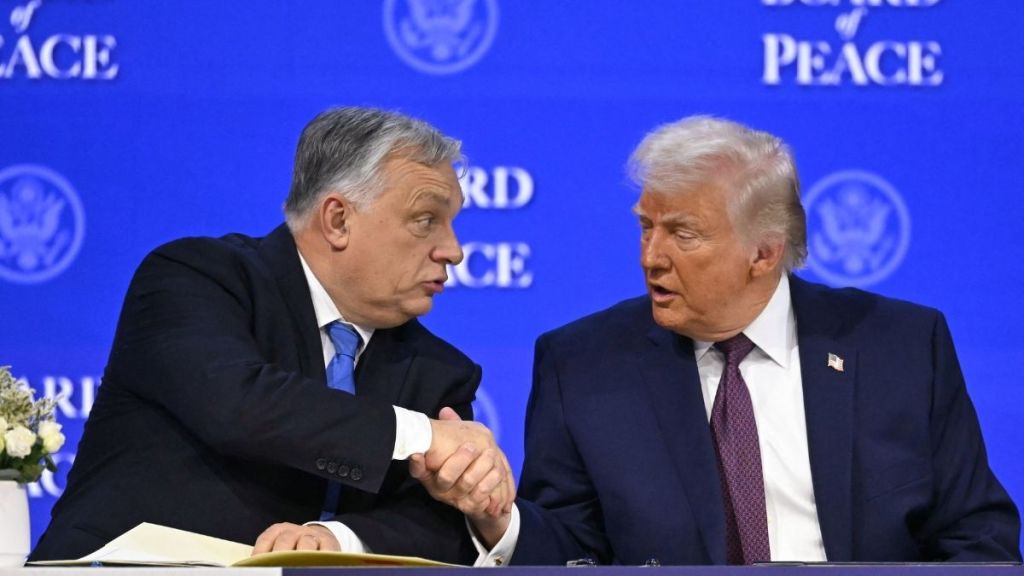
For Donald Trump, the outcome strips away a prominent European ally. The two men have been mentioned in the same breath by observers concerned about democratic norms and judicial independence.
With the old guard conceding and a new majority preparing to take the reins. Hungary will potentially draft a new constitution, much like Orban’s Fidesz party did in 2011.
Originally reported by Devanshi Basu on Mandatory.