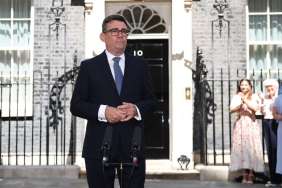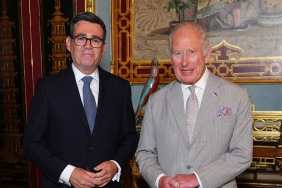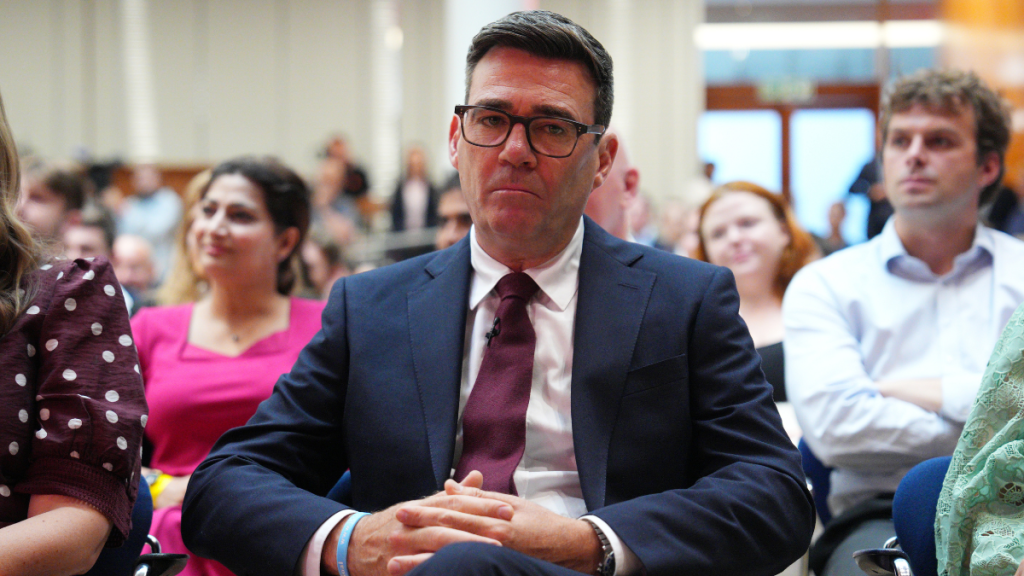
Andy Burnham entered Downing Street promising radical change. His first Cabinet has drawn a sharper verdict. The new prime minister replaced Keir Starmer on Monday, after Starmer was pushed to resign by his own party, and pledged to “rewire Britain” and end what he called 40 years of neo-liberalism. Byline Times political editor Adam Bienkov argues the appointments tell a different story.
How Andy Burnham’s Cabinet compares with Keir Starmer’s government
Burnham moved several of Starmer’s allies out of their posts. John Healey, previously defense secretary, became chancellor. Ed Miliband took the Foreign Office from Yvette Cooper, who moved to Health. Wes Streeting went to Defense. Shabana Mahmood stayed at the Home Office, Lisa Nandy kept Culture, and Angela Rayner returned as housing secretary. Miatta Fahnbulleh, an economist, took over Energy.
Writing for Byline Times, Bienkov describes the changes as largely like-for-like. He argues Healey’s politics differ little from those of Rachel Reeves, apart from a greater appetite for defense spending, and calls the pick a choice designed to unsettle neither wing of the Labour Party.
Bienkov writes that Burnham wanted Miliband at the Treasury but dropped him after a campaign by sections of the media and business, then set aside Mahmood following unease among MPs. He also links Mahmood’s reappointment to immigration, arguing that keeping her at the Home Office allows her asylum plans to continue and reflects Burnham’s own record of calling for tighter controls.
Bienkov describes the overall lineup as male, white and familiar, with Fahnbulleh the clearest exception. His headline sums up the argument as “Starmerism without Starmer.” Bienkov credits Burnham as a stronger communicator, welcomes his focus on rough sleeping, and supports his plans on devolution, electoral reform and social housing.
But he writes that the Cabinet shows Burnham lacks the determination those plans will require. Burnham set out his first measures on Tuesday, removing value-added tax from household electricity bills from Oct.1, a year funded by scrapping a digital ID program. He is Britain’s seventh prime minister in a decade, a churn that has defined recent UK politics.
TELL US, DO YOU THINK ANDY BURNHAM’S CABINET SIGNALS REAL CHANGE? OR IS IT STARMERISM WITHOUT STARMER?