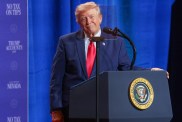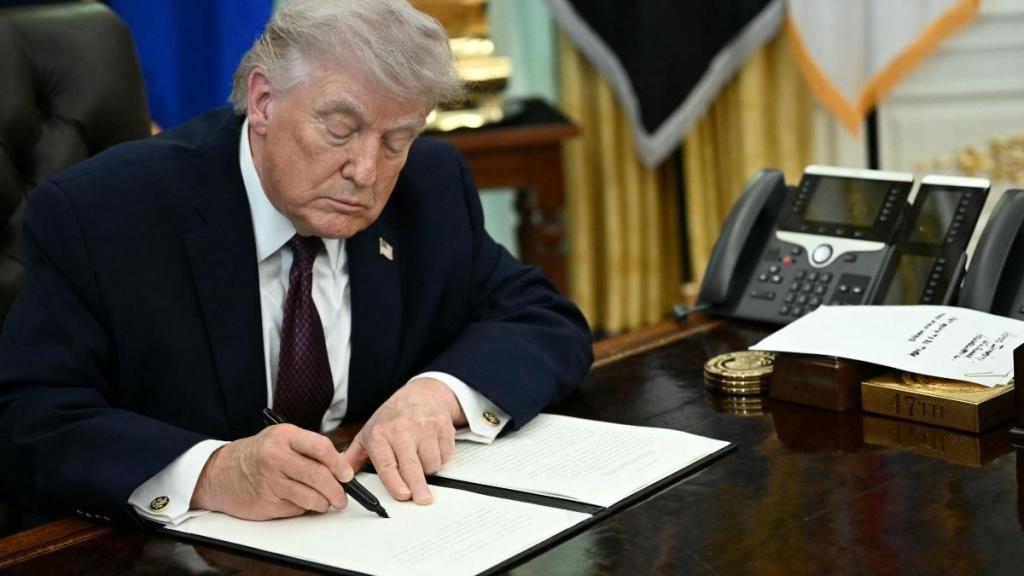
The Trump administration is asking the Supreme Court to move faster in its fight over mail-in voting rules ahead of the November elections. The government says a growing deadline crunch could make it impossible to put part of President Donald Trump’s election executive order into effect if the justices wait too long.
The administration says the clock is running out
Solicitor General D. John Sauer renewed the administration’s request Wednesday, telling the justices that “it is critical that the Court act promptly” on its application. The government filed the request July 27 after a federal judge blocked implementation of parts of Trump’s March 31 executive order in 23 states and Washington, D.C (via Scouts Blog).
At the center of the dispute sits Section 3, which would require states to provide the U.S. Postal Service with lists of voters expected to receive mail ballots. The order would also prevent the USPS from directly sending such ballots to people who do not appear on its eligibility lists.
The legal battle began after a group of states headed by California challenged the administration’s plan in Massachusetts. U.S. District Judge Indira Talwani ruled June 25 that the restrictions could not take effect for the 2026 federal elections. The 1st U.S. Circuit Court of Appeals later declined to pause that decision, leaving the administration to make its case to the Supreme Court.
The administration argues that every passing day matters because some states will begin mail and absentee voting within weeks. Sauer warned that the lower court rulings could effectively “run out the clock” on the government’s ability to implement Section 3 before November.
The challengers see the situation very differently. In an August 3 filing, they argued that stopping Talwani’s ruling would let the government rush forward with what they called an unprecedented voter-verification and ballot-interception system. They also said states already face concrete deadlines that justify their lawsuit.
The urgency increased Tuesday when Talwani issued a separate ruling that temporarily blocked Section 3 nationwide for the plaintiffs in that case. Sauer cited that decision Wednesday as another reason for the Supreme Court to step in quickly.
Originally reported by Rishabh Shandilya on Mandatory.