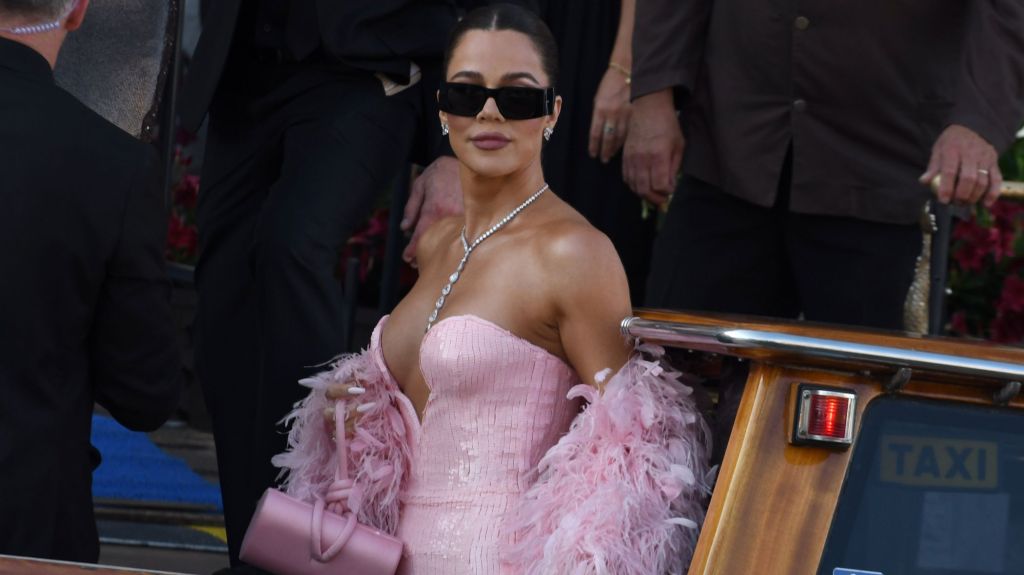
Khloe Kardashian is opening up about one of the most difficult chapters of her life with her ex, Lamar Odom. In a new documentary, both share emotional insights into their relationship, including struggles with addiction, secrecy, and survival. Kardashian, in particular, speaks candidly about the role she believes she played during that time. Her comments offer a more personal look at the complexities behind their highly publicized relationship.
Khloe Kardashian recalls covering up Lamar Odom’s drug use to protect him
In Netflix’s “Untold: The Death and Life of Lamar Odom,” Khloe Kardashian speaks openly about how she handled her ex-husband’s struggles with substance use. Looking back, she admits she may have crossed a line between support and enabling.
“I was such an enabler without knowing I was an enabler,” Kardashian says in the documentary, as per Page Six. She describes going to great lengths to protect Odom’s image, including allegedly “cleaning up” hotel rooms where drug paraphernalia had been left behind. According to her account, she feared that staff might leak information to the media.
Kardashian explains that at the time, she felt a strong sense of responsibility. “I was fighting every single day either to protect him, to not let him get caught,” she says, reflecting on the pressure she placed on herself. She also shares that keeping these secrets took a toll on her well-being. “I remember just keeping all these secrets, and feeling horrible about myself,” she adds.
The former couple, who were married from 2009 to 2016, both appear in the documentary to revisit their shared past. Odom also speaks about his struggles, including a near-fatal overdose in 2015. He claims he suffered multiple strokes and heart attacks during that period, describing it as a life-altering experience.
Kardashian suggests that her actions were influenced by her age and emotional attachment at the time. She says she was in her early 20s and still figuring out her life. She also points to Odom’s personal history, including past trauma, as something that shaped how she viewed his behavior. According to her, it led her to believe she could “fix” things through love and support.