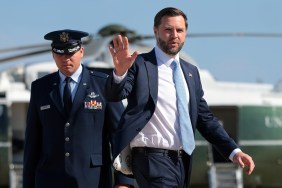
US Vice President JD Vance has described the recently announced Iran ceasefire as a “fragile truce.” Thus, it raised concerns about its stability despite a temporary halt in hostilities. The agreement, which paused attacks for two weeks, triggered a relief rally in global markets. But U.S. officials remain cautious about its long-term viability.
JD Vance talks about Iran ceasefire
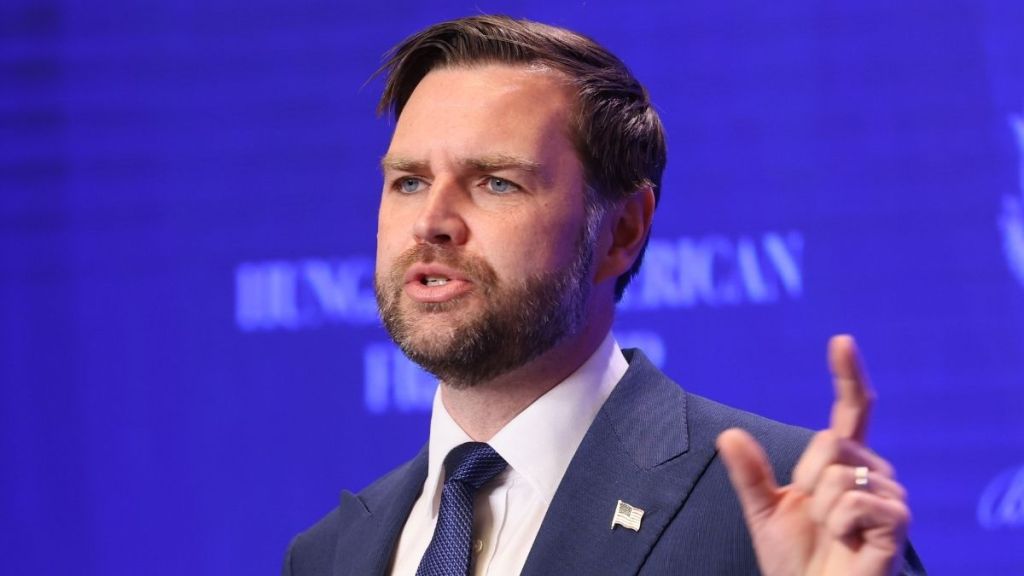
The Iran ceasefire has offered short-term relief after escalating tensions, but JD Vance made it clear that the situation remains uncertain. Speaking during a visit to Hungary, he pointed to mixed signals from Iran’s leadership as a major reason for concern. According to the vice president, while Iran’s foreign minister responded positively to the agreement, other factions within the country have undermined it.
“This is why I say this is a fragile truce,” he said. “You have people who clearly want to come to the negotiating table and work with us to find a good deal, and then you have people who are lying about even the fragile truce that we’ve already struck,” Vance added. The ceasefire, announced earlier this week, temporarily halted attacks and helped stabilize global markets. However, Vance’s remarks speak of ongoing divisions that could threaten progress.
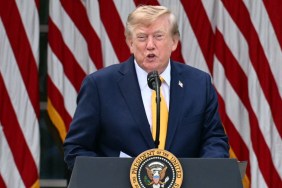
Vance emphasized that the United States still has significant leverage over Iran, including military, diplomatic, and economic tools. He noted that the administration, under Donald Trump, is prioritizing negotiations, for now. “The president has told us not to use those tools. He’s told us to come to the negotiating table. But if the Iranians don’t do the exact same thing, they’re going to find out that the president of the United States is not one to mess around. He’s impatient. He’s impatient to make progress,” Vance said (via CNBC).
Earlier in the week, Trump warned that failure to reach a deal could have severe consequences, saying a “whole civilization will die” without a ceasefire agreement. He also cautioned that Iran could face large-scale strikes targeting civilian infrastructure if negotiations collapse.
Originally reported by Devanshi Basu for Mandatory.