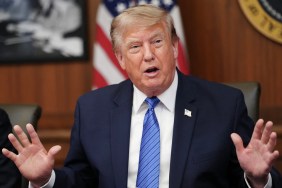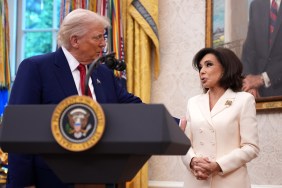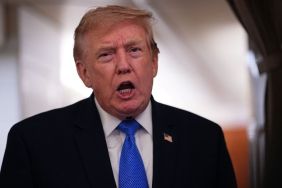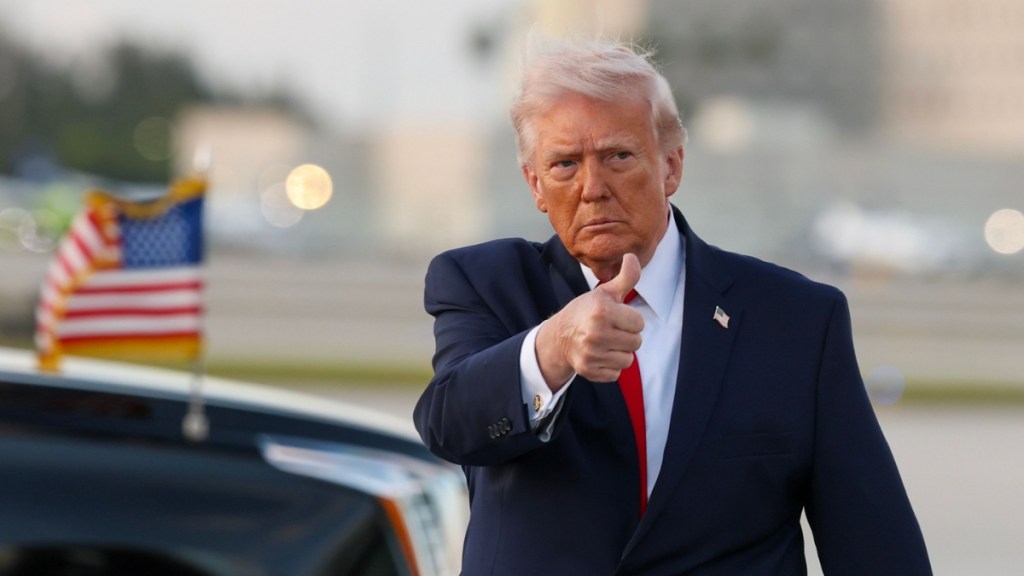
President Donald Trump provided a significant update on the status of US-Iran peace talks, revealing new details about when and where negotiations could resume. The president also weighed in on one of the most contentious issues at the heart of the ongoing conflict, making his position on Iran’s nuclear ambitions unmistakably clear.
Donald Trump reportedly says US-Iran peace talks may happen soon
President Donald Trump told the New York Post that additional US-Iran peace talks “could be happening over [the] next two days.” Trump indicated Islamabad would likely host the second round of direct negotiations to end the seven-week war. He initially suggested Europe as a potential venue before calling back to confirm Pakistan as the preferred location.
Trump credited Pakistan Field Marshal Gen. Asim Munir for the shift toward Islamabad. “He’s fantastic, and therefore it’s more likely that we go back there,” Trump stated. He added, “Why should we go to some country that has nothing to do with it?” Trump forged a connection with Munir during the brief India-Pakistan conflict last year.
The president confirmed he would not personally participate in any second round of negotiations. Trump expressed displeasure with reports about a proposed 20-year suspension of Iran’s uranium enrichment program. “I’ve been saying they can’t have nuclear weapons, so I don’t like the 20 years,” he stated firmly.
Andrea Stricker, deputy director at the Foundation for Defense of Democracies’ Nonproliferation Program, supported Trump’s position. “Only Iran’s full, verified, and permanent nuclear disarmament can ensure the regime will not restore a nuclear weapons option,” she said. Stricker urged negotiators to demand a permanent ban on Iranian enrichment.
Retired Pakistani Lt. Gen. Muhammad Saeed claimed Tehran has shown “flexibility” on uranium enrichment. He emphasized that Iran needs to present any compromise without appearing to surrender. “Iran has to be able to take something back to its people that doesn’t look like a surrender,” Saeed explained. Iranian professor Mohammad Marandi, who accompanied Tehran’s delegation to the earlier Islamabad talks, reportedly struck a far more defiant tone regarding negotiations.
Originally reported by Vritti Johar on Mandatory.com.