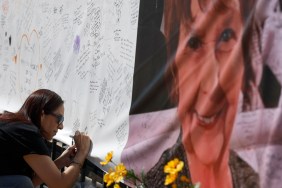
More than two months after the disappearance of Nancy Guthrie, new insights from a former FBI profiler are shaping how the case is being viewed. Guthrie, who is the mother of “Today” co-anchor Savannah Guthrie, vanished from her Tucson home on February 1, and the investigation remains ongoing.
While authorities continue to analyze evidence, experts have begun offering theories about what may have happened. One such claim suggests that Guthrie may not have gone quietly during the alleged abduction.
Nancy Guthrie’s abductor ‘had strong motivation’ to carry out kidnapping, per FBI profiler
Former FBI profiler Jim Clemente has shared several claims about the suspect’s possible mindset and actions. Speaking with journalist Brian Entin on “Brian Entin Investigates,” he suggested the individual behind the alleged kidnapping likely had a strong motivation. According to Clemente, such crimes are rarely random, and the person involved may have had a “goal in mind.” He added that the suspect was “going to do whatever it took to accomplish that goal.”
Clemente also claimed that Guthrie may not have gone quietly. “I believe that Nancy fought him,” he said in the interview, noting that she likely realized what was happening and reacted. The ex-profiler went on to describe what he believes the suspect’s mindset may have been following the incident.
According to Clemente, the individual is likely closely following media coverage and considering whether they have avoided detection. “Did I actually get away with this?” he speculated the person might be asking themselves.
He further alleged that the suspect may be taking steps to avoid being identified. This could include altering their physical appearance or distancing themselves from anything that could link them to the case. “Doing what he can to change his appearance, to change the appearance of his car,” Clemente suggested, while noting that such behavior is common in similar investigations.
Despite these concerns, Clemente expressed confidence that mistakes may eventually lead to a breakthrough. He claimed that errors made before, during, or after the incident often become critical in solving such cases. “I firmly believe those missteps could ultimately help identify the suspect,” he said.
Investigators are also working with DNA evidence collected from the scene, though experts have cautioned that analysis could take time. For now, no suspect has been publicly identified, and the case remains open.