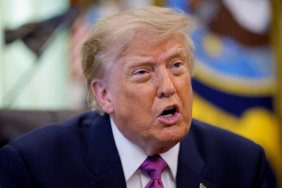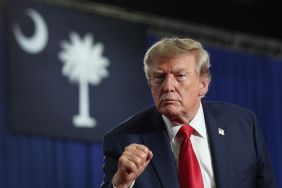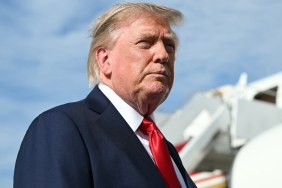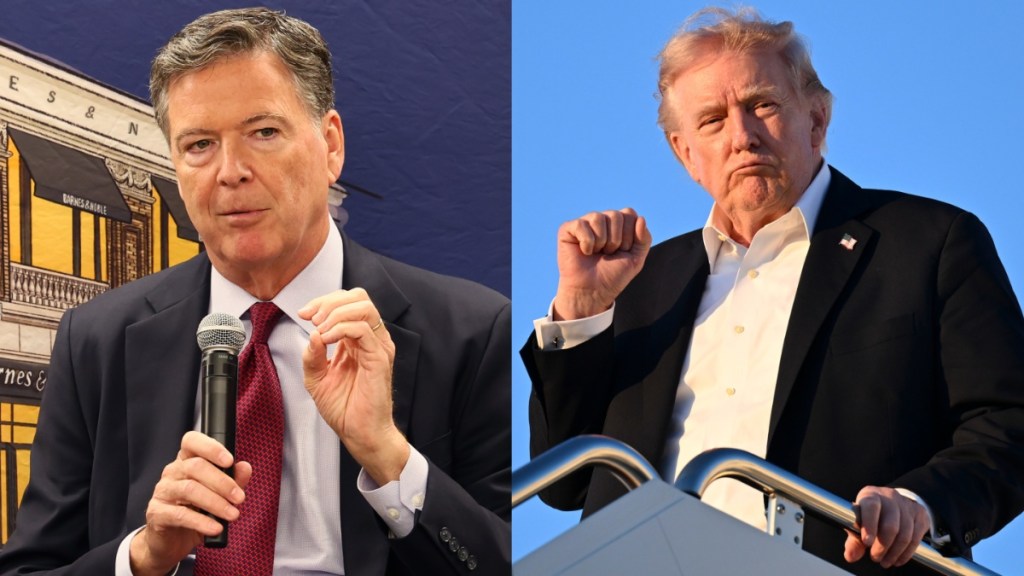
Donald Trump and James Comey reignited their long-running public feud after Comey made new remarks about Trump’s motivations and conduct. The former FBI director addressed a developing controversy while discussing the personal and political fallout surrounding the latest case connected to him.
James Comey talks about Donald Trump’s ‘desire’ for revenge
According to NBC News, former FBI Director James Comey said President Donald Trump has a “bottomless desire to gain revenge against those who criticized him.” Comey made the remarks during his first interview after a federal indictment tied to an Instagram photo showing seashells arranged as “8647.” He said the administration’s actions reflected Trump’s focus on pursuing critics and political opponents.
Comey said his family experienced consequences after his criticism of Trump. He said his daughter lost her position in the Southern District of New York, while his son-in-law resigned from the Eastern District of Virginia. “There’s a cost to speaking up in this strange era, awful era we’re in now,” Comey said. “I’m not gonna be quiet; I’m going to continue to speak about what I believe.”
Federal prosecutors secured the indictment through a grand jury in North Carolina, where Comey owns a beach house. The indictment stated the “8647” image represented “a serious expression of an intent to do harm to the President of the United States.” Administration officials said investigators gathered additional evidence during the eleven months following the Instagram post.
Comey denied threatening Trump and described the president as obsessed with him. “I am going to continue to speak up because I have grandchildren,” Comey said. He also warned Americans could become “numb” to criticism surrounding alleged Justice Department weaponization. “This is not normal. This is not who we are,” Comey said during the interview.
Legal experts questioned whether the prosecution could survive constitutional challenges involving proof of intent. Former federal prosecutor Sarah Krissoff said prosecutors must demonstrate “there was a true threat and that the defendant intended to make a threat.” Acting Attorney General Todd Blanche said investigators collected a “body of evidence” but declined further details because of grand jury secrecy rules.
Originally reported by Vritti Johar on Mandatory.com.