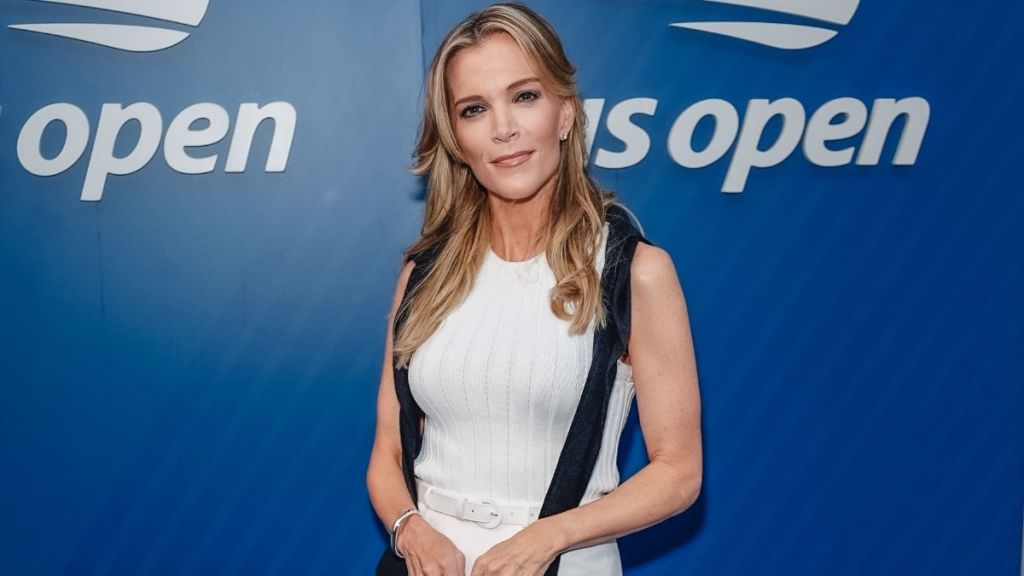
A fresh media clash is pulling Hollywood voices into a heated political debate, with Megyn Kelly taking aim at George Clooney after he defended late-night host Jimmy Kimmel. The argument, sparked by a controversial joke, has now turned into a wider fight over comedy, free speech, and public responsibility.
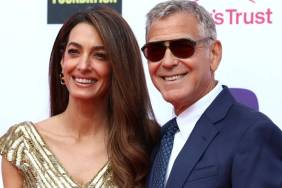
George Clooney faces backlash from Megyn Kelly for supporting Jimmy Kimmel
The controversy picked up after Clooney publicly backed Kimmel, saying comedians should be allowed room for jokes, even if they land awkwardly. He suggested that humor often gets misread and pointed out that “jokes are jokes,” while also warning that rising rhetoric in public discourse can be risky. His comments quickly drew criticism from Kelly, who didn’t hold back in her response.
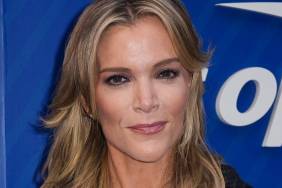
Kelly argued that Clooney was downplaying what she described as a “disgusting” remark. She accused him of being “out of touch” and having a “god-complex,” even mocking his past attempts to comment on politics and journalism.
In her words, Clooney acts like someone who believes he has authority on serious issues simply because of his fame. She also questioned the timing of his political opinions, suggesting he only speaks up when it suits him.
“Because he played a journalist in a movie, and he thought it made him an expert? Sorry, George, it doesn’t work like that,” Kelly wrote. She added. “He is truly out of touch and the most sanctimonious man in showbiz, as evidenced by the fact that he turned a red carpet he was on Monday night into a chance to give his thoughts on the Kimmel situation.“
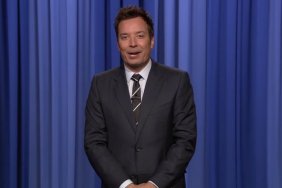
The debate centers on Kimmel’s joke about President Donald Trump and First Lady Melania Trump. Kimmel defended himself on-air, saying it was a “light roast’ about their age difference, not something meant to suggest otherwise. Still, critics, including Kelly, insist the comment crossed a line.
Kelly also criticized media figures like Jake Tapper for backing Kimmel, arguing that personal relationships in media circles blur objectivity. She claimed this kind of support shows why audiences question fairness in coverage.
Originally reported by Rishabh Shandilya on Mandatory.