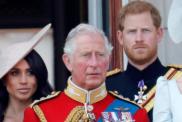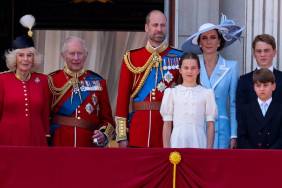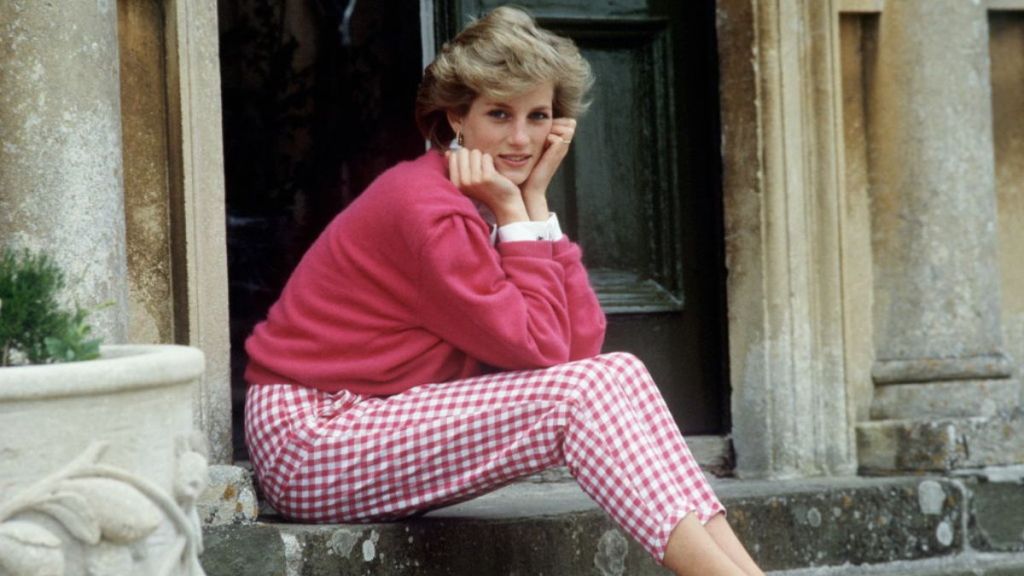
Princess Diana’s early royal interest reportedly centered on ex-Prince Andrew before King Charles became her public love story. The late Princess of Wales appears in new claims from Catherine Mayer‘s book “Divide & Rule.”
A new report said Mayer was surprised by a schoolfriend’s account. It involved Diana sending cards to Charles’s younger brother. The claim also sits inside a wider look at royal women and public pressure. It revisits Diana’s struggle to escape constant attention.
New claims suggest Princess Diana’s attention was once focused on a different royal brother
As per The Telegraph UK article dated June 16, Catherine Mayer discussed Princess Diana while promoting “Divide & Rule.” The book examines eight royal women and “planet Windsor,” Mayer’s phrase for the monarchy. She said Diana and King Charles had “conflicting expectations” of marriage. Mayer also said, “I ended up feeling incredibly sorry for Diana.” However, the stronger claim involved Andrew. Mayer said she was “quite startled” by the discovery. She added, “That was new news.”
The report said a schoolfriend told Mayer that Diana sent Prince Andrew a Valentine’s Day card every year. The cards reportedly continued until the princess was 15 or 16. They were sent “anonymously, of course,” according to the schoolfriend’s account. For context, Diana married Charles in 1981 after a closely watched courtship. The Andrew claim, therefore, reframed an earlier, more private royal crush. It also placed Charles’s younger brother inside the book’s marriage backstory.
Meanwhile, Mayer framed Diana‘s later life as hard to manage. She quoted a close friend who said people wanted “a piece of her.” The friend compared the attention to “a wedding cake.” She said people wanted to eat Diana “bite by bite.”
Diana reportedly retreated to a bathroom during a house party to talk privately. Mayer said she “wanted to escape” and “needed to escape.” Still, Mayer praised Kate and William for giving their children “some taste of normality.” The author said royal women succeed by accommodating a life most people would find “impossible.”