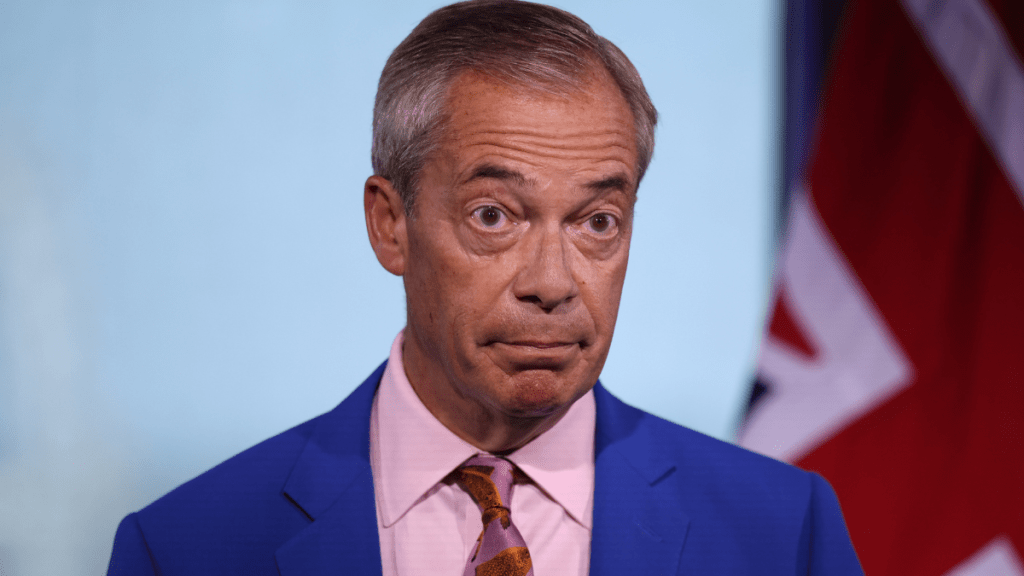
Nigel Farage is facing renewed security concerns after police arrested a man over an alleged threat posted on social media. The Associated Press reported that the arrest came days after the killing of Ann Widdecombe, but authorities have not linked the two cases.
What police have said about the alleged Nigel Farage death threat
The Metropolitan Police arrested a man in his 20s on Tuesday on suspicion of sending a threatening communication to Farage. The Associated Press reported that officers held him overnight before releasing him on bail.
The case centers on an X post published on May 8. According to The Telegraph, the message allegedly read, “I am going to shoot you in the head if you win.” The Associated Press also cited the alleged message in its report.
Parliamentary authorities reported the post to the police because it targeted a serving member of Parliament. The Sun reported that investigators later identified the account holder and barred him from contacting Farage while the inquiry continues.
Farage welcomed the arrest but questioned why police had not acted sooner over other threats. “This is the first time the police have ever proactively acted on a social media post,” he told The Telegraph.
Reform UK policy chief Zia Yusuf said Farage had received nearly 600 death threats since February and called for stronger protection for lawmakers. He added that a Reform government would offer round-the-clock security to MPs who requested it.
The arrest comes amid wider concern over political violence after Widdecombe’s death. In an official House of Commons statement, Home Secretary Shabana Mahmood said counterterrorism police had taken over that investigation and were pursuing several lines of inquiry to establish a motive.
Police have not accused the man arrested over the Farage post of any connection to Widdecombe’s killing. They continue to investigate the alleged threat, and no court has determined his guilt. The bail conditions remain in place as detectives continue their inquiries.
TELL US – DO YOU THINK BRITISH LAWMAKERS NEED STRONGER SECURITY?