Donald Trump’s approval rating just hit a number his team never wanted to see again. A new poll reveals how the Iran conflict is reshaping American confidence in the presidency.
Donald Trump’s approval is at 33% as Americans worry about a prolonged Iran conflict and rising household costs
Donald Trump’s approval rating has dropped to 33 percent, marking the lowest point of his current presidency. The Reuters/Ipsos poll found 64 percent of Americans disapproved of his job performance. This figure matches his lowest approval rating from December 2017 during his first term.
The four-day survey revealed deep public concern about the ongoing US-Israel war on Iran. Around 80 percent of Americans believe US involvement in Iran will stretch on for an extended period. That anxiety crosses party lines, with 87 percent of Democrats and 71 percent of Republicans sharing the view.
Fuel prices have added to growing public discontent since the conflict started in February. The cost of gasoline has surged by nearly a third compared to a year ago, per the American Automobile Association. Higher energy costs continue to squeeze household budgets across the country.
Trump originally promised the conflict with Iran would wrap up within a few weeks. He maintained the war was necessary to stop Iran from building a nuclear weapon threatening global security. Yet Iran has shown considerable resilience and has largely disrupted oil and gas exports through the Strait of Hormuz.
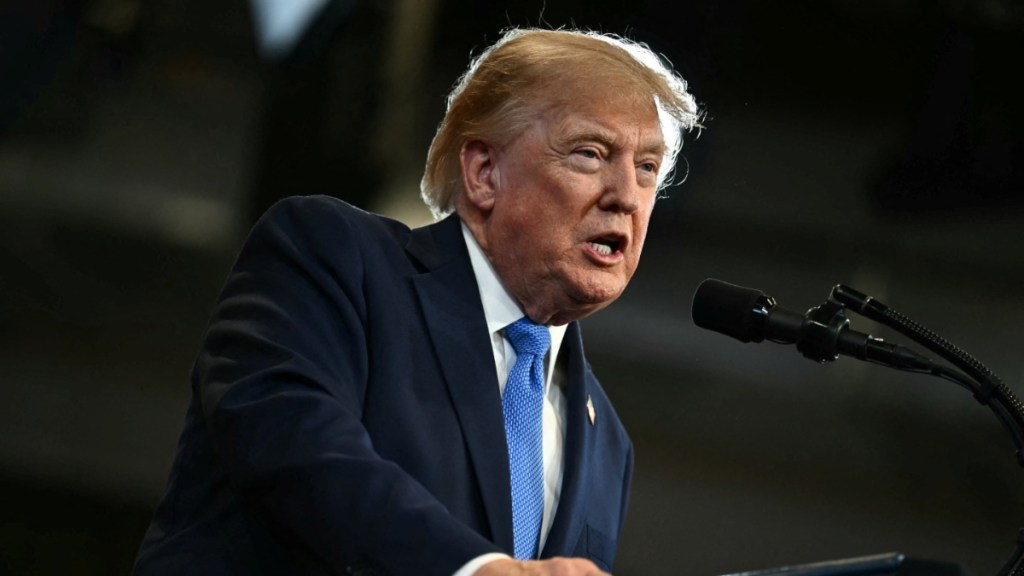
At a rally on Friday, Trump pushed back against criticism of the war’s economic toll. He told supporters that paying “a tiny little bit more for your gasoline” is worth ensuring “a very evil country” cannot acquire nuclear weapons. Only 16 percent of poll respondents expected the conflict to end soon.
Skepticism has also grown among Trump’s most loyal supporters regarding the war’s price tag. A recent Politico poll found just a third of self-identified MAGA voters believed the economic costs were justified. Trump had campaigned heavily on controlling inflation and steering clear of prolonged military engagements.
Originally reported by Vritti Johar on Mandatory.com.