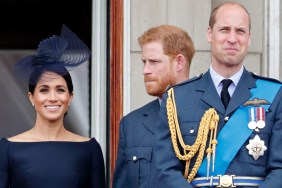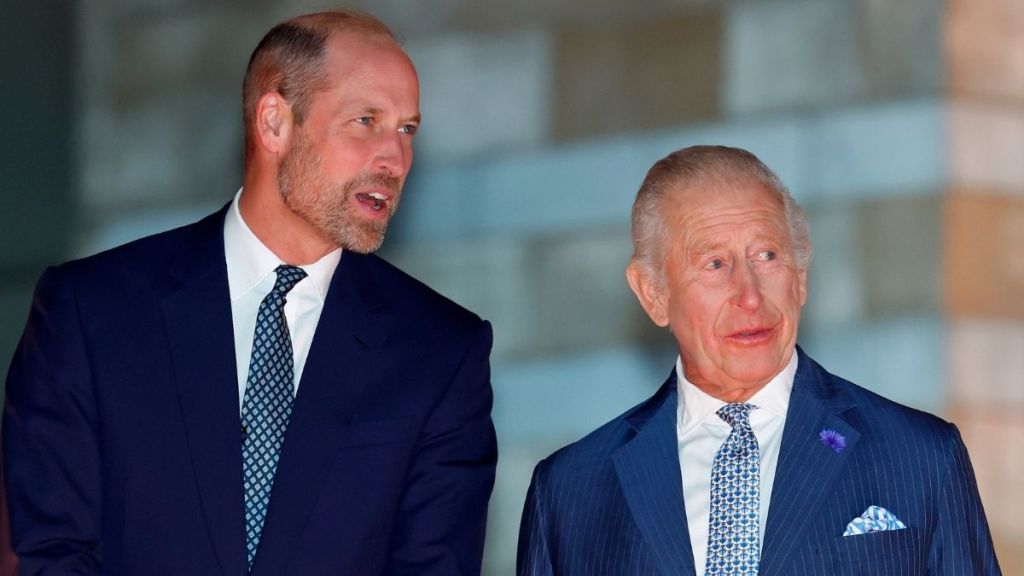
New claims suggest there may be underlying tension between King Charles III and Prince William, despite their united public image. Insiders allege that recent decisions and messaging from the King have created friction with his heir. While Charles continues to take a visible lead on the global stage, William is said to be carving out a more strategic role behind the scenes. According to sources, these contrasting approaches are now sparking a deeper disagreement about authority and timing within the monarchy.
King Charles believes Prince William ‘needs to know his place,’ per source
King Charles has allegedly taken a firm stance on his role, making it clear he is not stepping aside anytime soon. A source claims the monarch believes he remains fully in charge and expects his heir to be patient. “Charles has made it clear he’s still very much the top dog,” the insider told In Touch, adding that William “needs to know his place” and wait his turn.
The same source suggested that Charles views any perceived eagerness from William as premature. Having waited decades to become monarch himself, the King is said to expect a similar level of patience and respect. The insider alleged that this perspective has shaped his recent decisions and messaging within the royal household.
However, the reported message has not been well received. According to insiders, William is said to be frustrated by what he sees as mixed signals. Previous reports had suggested the 43-year-old royal would take on a more prominent role, but the current situation is being described as a shift. One source claimed this has “hit a nerve,” with disagreements over how the monarchy should be managed at the center of the tension.
Meanwhile, William is reportedly not standing still. Last month, the King traveled to the United States for a diplomatic visit between April 27 to 30. During this period, insiders claim the Prince of Wales had been holding a series of private, high-level meetings at home. These discussions are said to have focused on long-term planning and shaping the institution’s future.
Sources say these meetings were being handled quietly, without public announcements or media attention. The approach is said to reflect a more strategic and “hands-on” style. One insider alleged that decisions are being shaped with “total discretion,” prioritizing substance over optics.