A federal judge has asked the Department of Justice (DOJ) to release more of the Epstein files without redactions or explain why certain details are still being withheld.
The ruling marks the latest development in the long-running legal battle over access to documents connected to the convicted sex offender, with the DOJ now facing a court-imposed deadline.
DOJ must respond to the order by July 2
According to Newsweek, the ruling by U.S. District Judge Emmet Sullivan is directed at Attorney General Todd Blanche to submit unredacted files by July 2, or justify the redactions in detail. The ruling comes amid increasing bipartisan scrutiny over the release of Epstein-related files following the Freedom of Information Act (FOIA) lawsuit filed in April by independent journalist Katie Phang.
Questions have been raised over the redaction of the recipient’s identity in an email containing a “torture video”. The email also became a point of concern for Democratic candidate Ro Khanna and Republican Representative Thomas Massie, who questioned the redaction. The recipient was later identified, with Blanche stating that the redaction was made to protect personal privacy.
The DOJ defended the redactions, telling CBS that it “has released every document required by the Epstein Files Transparency Act.” They have also maintained that the redactions are intended to protect victims’ personal identity and legally privileged material.
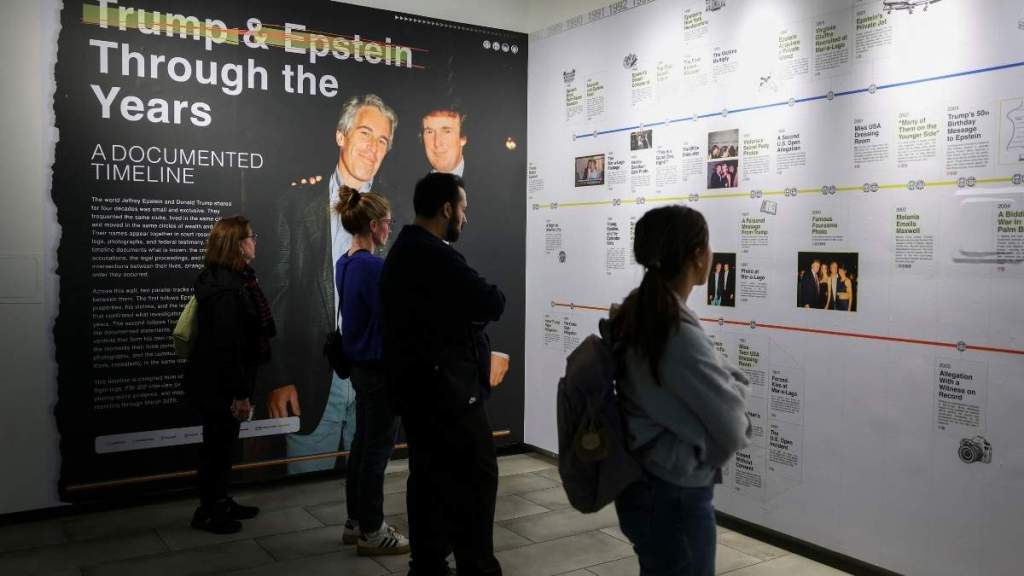
The DOJ released over 3 million pages of documents connected to convicted sex offender Jeffrey Epstein under the Epstein Files Transparency Act. The releases have sparked criticism and questions around whether the redactions exceed the law’s limits, and pointed out the need for greater transparency.
With the July 2 deadline approaching, the Justice Department must now decide whether to disclose more of the requested documents or formally defend its decision to keep portions of the files redacted. The court’s response to that filing could determine whether additional Epstein records ultimately become public.
DO YOU THINK THE GOVERNMENT IS HIDING VITAL INFORMATION?
Originally reported by Sreemanti Sengupta on Mandatory