In the 2000s and early 2010s, reality TV reigned supreme. Viewers watched a man date a bevy of women on The Bachelor, as the ladies vied for a rose and an engagement ring. And bestie Paris Hilton and Nicole Richie’s series, The Simple Life, featured the pampered ladies adjusting to life in Arkansas. Spoiler alert: it went horribly wrong.
Bravo introduced The Real Housewives of Orange County in 2006, followed by franchises in Atlanta and New York two years later. Other chaotic shows, like Jersey Shore, blessed our screens in 2009. As a bonus, some phrases became embedded in our memory banks, like “Gym, tan, laundry” from that hard-partying series.
These shows were part of the golden age of reality TV. They put the “real” in reality. The meltdowns weren’t manufactured. And no one was worried about their social media image. Unfortunately, those days are gone.
The golden era of reality TV thrived because nobody knew what would happen next
Part of the appeal of these reality shows from the early 2000s was the messy behavior that viewers witnessed. Plus, all these series shared one important trait: unpredictability. It created robust water-cooler discussions.
One unforgettable Real Housewives of Atlanta moment was NeNe Leakes’ ordering co-star Kim Zolciak to “close your legs to married men.” And no one expected Real Housewives of New Jersey star Teresa Giudice to flip a table during a heated argument with Danielle Staub.
It was chaotic and shocking. That scene was instantly iconic, and new reality stars have been trying to create their own moment ever since. Naturally, Teresa’s spicy reaction cemented its place in pop culture history.
The Osbournes, which followed the home life the late rocker Ozzy Osbourne, his wife, and their children, was a smash hit for MTV in 2002. The singer’s frustrating war with his TV remote, constant bellowing for his wife, Sharon Osbourne, and the family’s cascade of f-bombs resonated with viewers. When Sharon tossed a ham over their neighbor’s fence, we were invested because it was hilarious and entertaining.
Did we expect Jersey Shore’s Nicole “Snooki” Polizzi to be arrested for public intoxication while cameras rolled? No. Never knowing what could happen next made these shows edgy, must-see TV.
Social media changed the game for reality TV in the worst way
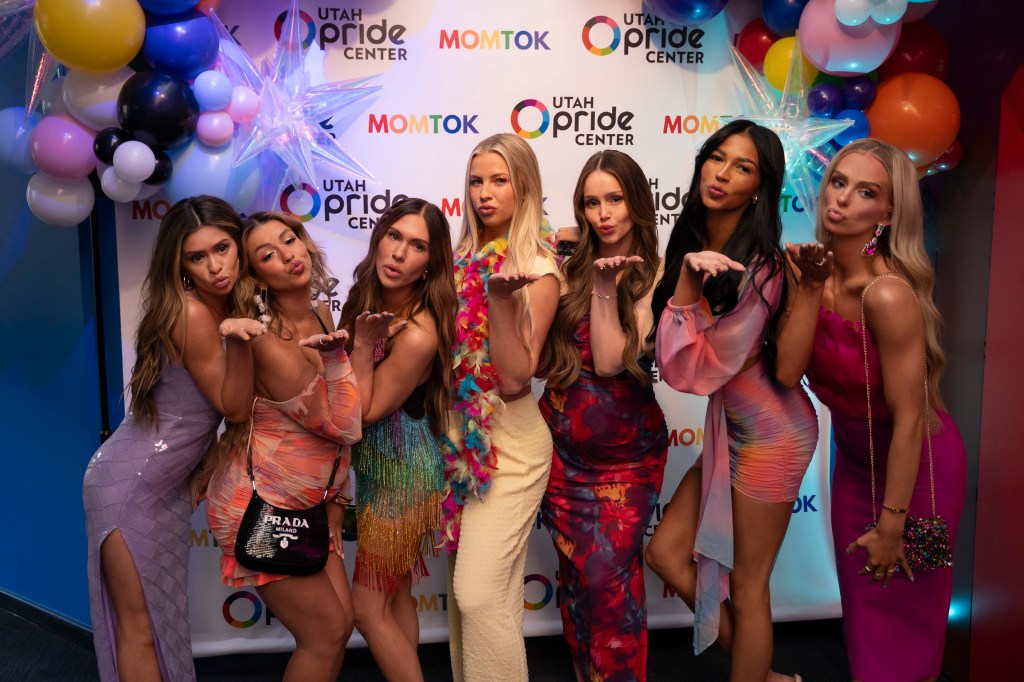
Once social media became dominant, it was a nail in the coffin of reality TV. Influencers were cast on shows like Dancing with the Stars. And one set of Mormon mom influencers nabbed their own series, The Secret Lives of Mormon Wives. While that’s all well and good, it set a trend.
It seems that some reality stars have toned down their behavior, hoping to snag brand partnerships. Boring! Instead of being authentic, they checked the optics and behaved accordingly. Others were seemingly afraid of backlash on social media, which is a valid point.
Of course, on the other side of the spectrum, some reality show cast members acted out, trying to create a viral moment to increase their fame and earning potential.
Another factor was the network’s concern about generating controversy. Former Real Housewives of New York star Leah McSweeney sued Andy Cohen and Bravo, alleging that RHONY used her struggle with addiction to amp up storylines and reportedly created a hostile work environment. Since being sued is absolutely no fun, networks are now playing it safe.
And RHONY alum Bethenny Frankel tried to rally the troops against Bravo in a short-lived “reality reckoning.” She alleged that reality cast members were being taken advantage of and that the industry needed to modernize.
Since networks need to protect themselves, and most cast members are focused on crafting the perfect persona, reality TV is in a downward spiral.
Reality TV doesn’t need more drama, but it does need to be more authentic
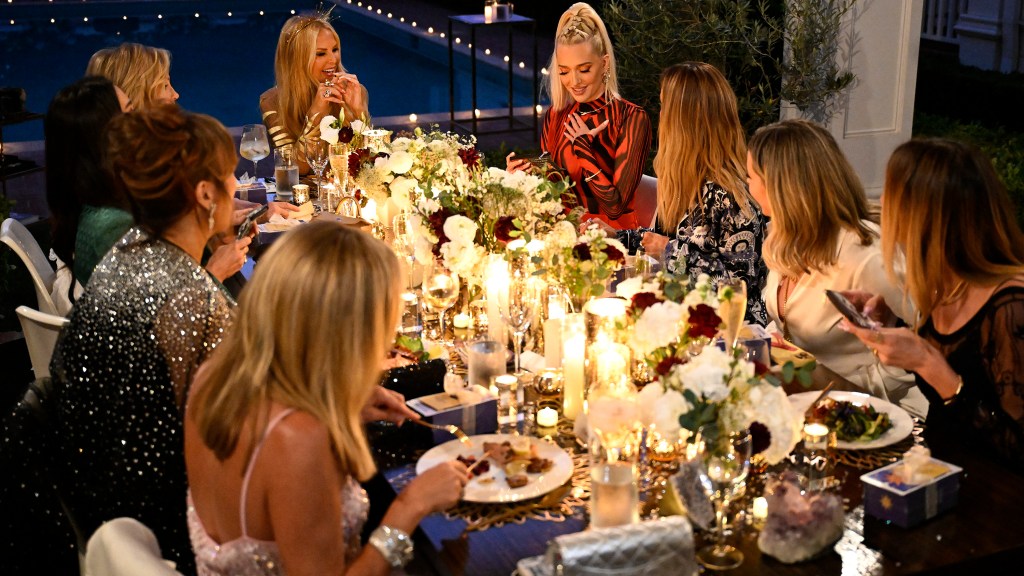
Personally, I’m tired of the same recycled drama in The Real Housewives of Beverly Hills. The years-long feud between Dorit Kemsley and Kyle Richards over who is a worse friend continues to be exhausting.
Plus, reality stars need to show their entire lives, not select bits and pieces. Viewers are sick of only seeing a fraction of someone’s life. How is that real?
In addition, casting is key. Give viewers opinionated, interesting, dynamic personalities.
Meanwhile, let’s cut out influencers who were cast on Love Island solely to pump up their Instagram followers. I want to see people who are actually looking for love. Is that too much to ask?
Of course, viewers can sniff out a manufactured scene. Overproducing is painfully obvious in some series, and it sucks the soul out of the experience. If I wanted to see a scripted scene, I would watch NCIS. Unfortunately, some Real Housewives franchises seem to embrace manufactured drama, and it turned off some viewers.
And filming for a longer time period would give producers more content to work with, thus ensuring a better finished product. Please don’t stretch out one argument across three episodes, RHOBH.
While I don’t believe that we will experience another golden era in reality TV, better casting, more authentic stories, and less production interference could greatly improve our chances.
TELL US – IS REALITY TV AFRAID OF ITS OWN AUDIENCE?